Introduction
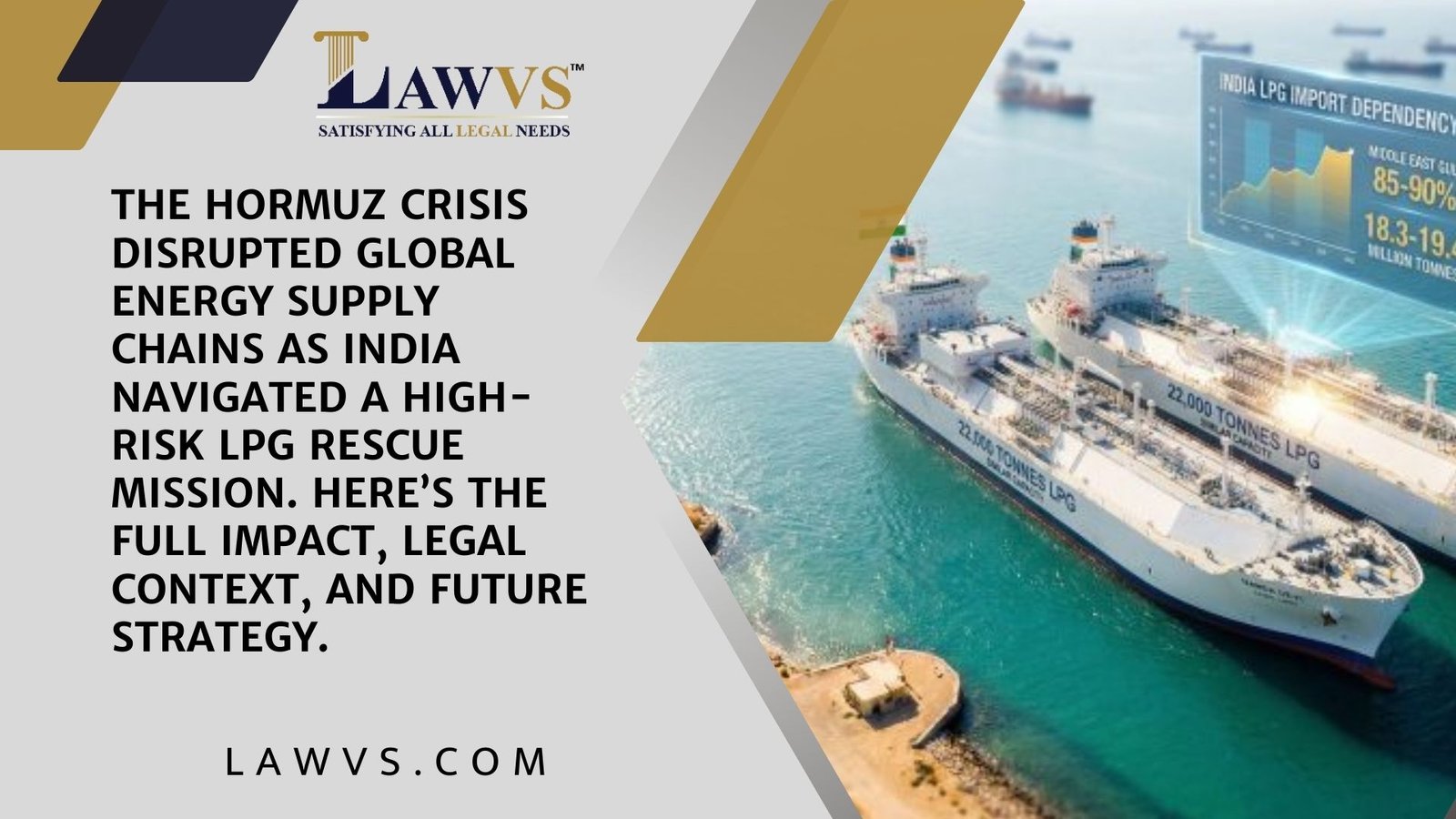
India’s energy security came under serious threat in March 2026 as escalating geopolitical tensions in West Asia disrupted one of the world’s most critical maritime routes—the Strait of Hormuz. At the centre of the crisis was the LPG tanker Nanda Devi, carrying approximately 47,000 metric tonnes of fuel crucial for India’s domestic consumption. The situation quickly evolved into a high-stakes challenge involving economic risk, supply chain disruption, and strategic decision-making.
Background of the Crisis
The Strait of Hormuz, located between Iran and Oman, is responsible for nearly 20% of global oil and gas transit. Historically, the region has witnessed repeated tensions, including the Tanker War during the Iran–Iraq War, along with ongoing geopolitical friction involving Iran, the United States, and Israel. The 2026 escalation was triggered by increased military deployments, warnings over maritime control, and heightened surveillance of shipping activity. These developments created uncertainty, forcing vessels to delay or reroute, while insurance costs surged and global markets reacted with volatility.
India’s Energy Crisis & Impact
India, which relies on imports for nearly 85–90% of its LPG supply, faced significant challenges during this crisis. The disruptions led to:
- Increase in fuel import costs
- Supply chain delays and logistical issues
- Risk of domestic shortages and panic buying
- Financial pressure on industries and consumers
The crisis highlighted India’s vulnerability due to heavy dependence on a single geographical region for energy needs.
India’s Strategic Response (Nanda Devi Mission)
Despite the risks, India successfully managed the situation through a coordinated and strategic response. The safe return of Nanda Devi was ensured through:
- Diplomatic engagement with Iran
- Maritime coordination and real-time monitoring
- Strategic naval vigilance
- Supply chain management and contingency planning
This operation demonstrated India’s ability to respond effectively to global crises and protect its national interests.
Global Impact of the Crisis
The Hormuz disruption had far-reaching global consequences. Major economies dependent on energy imports, including Asian and European nations, experienced:
- Sharp rise in oil and gas prices
- Increased shipping and insurance costs
- Supply chain disruptions across industries
- Economic uncertainty and inflationary pressure
This crisis once again proved how a regional conflict can trigger a global economic ripple effect.
Legal Perspective: International Law vs Reality
From a legal standpoint, the situation falls under the United Nations Convention on the Law of the Sea (UNCLOS), which guarantees the right of “transit passage” through international straits like Hormuz.
However, the crisis exposed key limitations:
- Lack of strong enforcement mechanisms
- States prioritising national security over legal obligations
- Delay in international dispute resolution
- Gap between legal provisions and geopolitical realities
This highlights that while international law provides a framework, it often struggles in high-tension geopolitical situations.
Way Forward for India
To prevent similar crises in the future, India needs to focus on:
- Diversification of energy import sources
- Strengthening strategic petroleum reserves
- Investment in renewable and alternative energy
- Enhancing maritime security and naval capabilities
- Building stronger international diplomatic ties
Conclusion
The 2026 Hormuz crisis serves as a powerful reminder of the fragile nature of global energy networks and the limits of international law in geopolitical conflicts. While India successfully ensured the safe return of Nanda Devi, the incident exposed structural vulnerabilities in energy security and global trade systems. Going forward, resilience, strategic planning, and diversification will be crucial for safeguarding national interests in an increasingly uncertain geopolitical landscape.