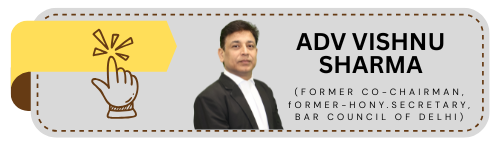
Lending money to someone or supplying goods without receiving payment can create serious financial problems. You may have helped a friend with a personal loan, supplied products to a customer, or completed business work for which payment is still pending. At first, the person may promise to pay within a few days. Later, they may stop answering calls, ignore WhatsApp messages, or continue giving new payment dates. Some people have written agreements and bank transfer records. Others have only WhatsApp conversations, invoices, or messages confirming that money is due. In these situations, an important question arises: How can you legally recover your money if someone refuses to pay? A Money Recovery Lawyer in Saket Court can help individuals and businesses understand their legal rights, examine financial documents, prepare legal notices, and initiate appropriate recovery proceedings before the competent court. Money recovery cases in India may involve the Code of Civil Procedure, 1908, the Indian Contract Act, 1872, the Limitation Act, 1963, and other applicable laws. Advocate Dr. Vishnu Sharma of LAWVS Legal India Pvt Ltd has over 15 years of professional legal experience and provides legal consultation concerning money recovery, unpaid loans, business payment disputes, and related civil litigation in Delhi. Before starting legal action, it is important to identify the type of transaction, the available evidence, the applicable limitation period, and the correct legal procedure. A money recovery lawyer helps individuals and businesses pursue legally recoverable amounts when another person or organisation fails to make payment. The dispute may involve a friendly loan, unpaid business invoice, contractual payment, security deposit, or another financial obligation. For example, a person living in Malviya Nagar may have transferred ₹3 lakh to an acquaintance who promised to return the amount within six months. After the agreed period, the borrower refuses to repay the money. In another case, a South Delhi supplier may have delivered goods worth ₹8 lakh to a customer who has failed to clear the invoices. The appropriate legal remedy depends on the transaction and the evidence available. Legal assistance may include: Recovery of personal loans. Recovery of friendly loans. Business debt recovery. Unpaid invoice recovery. Outstanding payment recovery. Legal demand notices. Civil money recovery suits. Summary suits under Order 37 CPC. Recovery of contractual dues. Recovery of security deposits. Recovery of outstanding service charges. Commercial payment disputes. Settlement and mediation. Interest-related claims. Execution of money decrees. Replies to recovery suits. Other legally available recovery proceedings. The objective is to identify and pursue a lawful remedy based on the actual facts. Yes. A money recovery case may be filed before the competent court at Saket when territorial, pecuniary, and subject-matter jurisdiction requirements are satisfied. Saket Courts Complex handles judicial matters connected with South and South-East Delhi. However, simply living in South Delhi does not automatically establish jurisdiction over every payment dispute. For example, a supplier may have its office in Saket, while the customer is located in another city. The court must examine where the defendant resides or carries on business, where the cause of action arose, and other legally relevant facts. Under Sections 15 to 20 of the Code of Civil Procedure, the applicable jurisdictional provisions help determine where a civil suit may be filed. Relevant factors may include: Defendant's place of residence. Defendant's place of business. Place where payment was contractually required. Place where the transaction occurred. Place where a material part of the cause of action arose. Valid contractual jurisdiction clauses. Nature and value of the claim. The claim amount and applicable statutory jurisdiction rules must also be checked. Possibly, but only when a valid legal basis for the court's jurisdiction exists. The borrower's address, transaction documents, repayment terms, and place where the cause of action arose must be examined. Money recovery disputes arise from many different financial relationships. A person lends money to another individual for personal use, but the borrower does not repay it according to the agreed terms. Money is given to a friend, relative, colleague, or acquaintance with an understanding that it will be returned. A business supplies goods or services, but the customer fails to make the agreed payment. A supplier raises invoices against completed supplies or services, but the buyer leaves the amount unpaid. One party fails to pay an amount due under a legally enforceable contract. A person or business seeks the return of a refundable deposit according to the governing agreement and applicable law. A company, partnership, proprietor, or other business entity seeks payment of outstanding commercial dues. Different claims may require different proceedings and evidence. A friendly loan may be legally recoverable when a valid repayment obligation exists and the claim is supported by sufficient evidence. For example, you may have transferred ₹2 lakh to a friend through your bank account. Your friend may have promised to return the money after three months. When the repayment date arrives, the friend keeps asking for more time. If repayment is refused, you may consider a legal notice or an appropriate civil recovery proceeding. Important evidence may include: Bank transfer records. Loan agreement. Written repayment promise. WhatsApp conversations. Emails. Signed acknowledgment. Relevant financial records. A bank transfer proves that money was transferred, but it does not automatically prove that the transfer was a loan. The purpose of the payment and the repayment obligation may also need to be established. Yes. A written agreement is not compulsory for every legally enforceable money recovery claim. However, the absence of an agreement may make proving the transaction more difficult. For example, a person may have lent ₹1.5 lakh to an acquaintance through a bank transfer. There may be no formal loan agreement, but WhatsApp messages may show that the borrower acknowledged the loan and promised repayment. Such communications may be relevant evidence, subject to the applicable rules. Other records may also help establish the transaction. The court will examine whether the claimant has proved a legally enforceable obligation. Yes. Relevant electronic communications may be used as evidence, subject to the requirements of the Bharatiya Sakshya Adhiniyam, 2023, including applicable rules concerning electronic records. If someone refuses to repay money, it is important to act carefully rather than relying only on repeated phone calls. Step 1: Check the Transaction Identify when the money was given, why it was given, and the agreed repayment terms. Step 2: Collect Evidence Preserve bank statements, agreements, messages, receipts, and other relevant records. Step 3: Calculate the Outstanding Amount Prepare a clear statement showing the principal amount, payments received, and any legally supportable interest. Step 4: Request Payment in Writing A clear written demand may help establish the present position of the parties. Step 5: Examine Legal Notice and Settlement Options A formal legal demand may be appropriate depending on the facts. Step 6: Check Limitation and Jurisdiction Before filing a case, confirm whether the claim is within limitation and which court or forum is competent. Step 7: Consider Recovery Proceedings If the dispute remains unresolved, the appropriate civil or commercial remedy may be considered. Every case should be examined individually. A money recovery legal notice is a formal written demand asking a person or business to pay an outstanding amount. The notice generally identifies the transaction, the amount claimed, and the legal basis for seeking payment. For example, a supplier may have delivered goods worth ₹5 lakh but received only ₹2 lakh. A legal notice may explain the outstanding balance of ₹3 lakh and demand payment. A notice may include: Names and addresses of the parties. Description of the transaction. Relevant dates. Amount payable. Details of payments already received. Contractual or other lawful interest, if applicable. Payment demand. Reasonable response period. Proposed lawful action if the matter remains unresolved. No. A legal notice is not universally compulsory before every ordinary civil money recovery suit. However, certain proceedings and statutory remedies have separate notice or pre-filing requirements. Those requirements must be checked before initiating a case. Ignoring a legal notice does not automatically establish liability or result in a court decree. For example, a business may receive a demand notice but dispute the quantity of goods delivered. Another debtor may simply refuse to respond. If payment is not received, the claimant may examine whether an appropriate recovery proceeding should be filed. The claimant must still establish the legal basis for the amount sought. A defendant's silence does not eliminate the need for proper evidence. A civil money recovery suit is a court proceeding seeking payment of a legally recoverable amount. For example, a contractor may complete agreed work and raise a bill, but the customer refuses to make payment. If settlement fails, the contractor may consider a civil recovery suit. The claimant may need to prove: The transaction or legal obligation. The amount due. The defendant's responsibility. The relevant payment terms. Failure to pay. Applicable limitation. Court jurisdiction. The court may examine documents, witness testimony, and other admissible evidence. If the claim is established, an appropriate money decree may be passed. Order 37 of the Code of Civil Procedure provides a special summary procedure for specified categories of monetary claims. It may apply to certain suits involving negotiable instruments and claims for a debt or liquidated demand arising from a written contract, enactment, or qualifying guarantee. For example, a lender may have a written loan agreement specifying a fixed repayment amount. If the borrower defaults, the facts may justify examining whether a summary suit is maintainable. Unlike an ordinary civil suit, the summary procedure contains special requirements governing the defendant's appearance and permission to defend. However, every unpaid loan or invoice automatically qualifies for Order 37 proceedings. The claim must satisfy the requirements of the provision. Not necessarily. Although Order 37 provides a special procedure, the actual duration depends on the case, court proceedings, and whether leave to defend is granted. An ordinary recovery suit generally follows the regular civil procedure. A summary suit follows the special procedure under Order 37 CPC and is restricted to eligible categories of claims. For example, a disputed oral loan arrangement may require examination under ordinary civil procedure. A claim based on a qualifying written contract for a fixed debt may be considered for summary procedure. The correct choice depends on the transaction, documents, and applicable law. A person should not file under Order 37 merely because they want the case decided quickly. Yes. Businesses may pursue unpaid dues before a competent court or other forum when the claim is legally maintainable. For example, a wholesale supplier in South Delhi may deliver products worth ₹12 lakh to a corporate customer. The customer may accept delivery but fail to clear the invoices despite reminders. Relevant documents may include: Purchase orders. Supply agreements. Tax invoices. Delivery challans. Goods receipt acknowledgments. Account ledgers. Bank statements. Emails and WhatsApp messages. Written balance confirmations. Depending on the facts, an ordinary civil suit, summary suit, commercial suit, mediation, or another statutory remedy may be relevant. The proper forum should be identified before filing. Unpaid invoice recovery often depends on proving that goods or services were supplied and that payment remains due. For example, a business may have supplied office furniture to a customer under an agreed purchase order. The goods were delivered, but the customer refuses to pay the final invoice. The business should first verify the outstanding balance and gather the relevant records. Important steps may include: Checking invoice dates and payment terms. Confirming delivery or completion of work. Reviewing customer objections. Reconciling the ledger. Preserving acknowledgments. Calculating outstanding dues. Checking limitation. Examining the appropriate legal remedy. Where the claim is disputed, the quality of the available evidence becomes particularly important. Yes. A company may initiate legally maintainable proceedings to recover amounts owed to it. For example, a private limited company may have supplied goods to a customer who has failed to pay. The company must act through a legally authorised representative according to the applicable law and procedural requirements. Relevant documents may include corporate authorisation, contracts, invoices, account records, and proof of the debt. Partnership firms, proprietorship businesses, LLPs, and other business structures may also have remedies, subject to their legal status and applicable requirements. The correct description of the claimant and authorisation to institute proceedings should be checked before filing. Eligible Micro and Small Enterprise suppliers may have remedies under the Micro, Small and Medium Enterprises Development Act, 2006. For example, an eligible manufacturing or service enterprise may supply goods and face delayed payment from a buyer. Where the statutory requirements are satisfied, the supplier may consider the mechanism under Sections 15 to 18 of the MSMED Act. The law provides for delayed-payment obligations and applicable statutory interest. However, not every person holding Udyam registration automatically qualifies for every delayed-payment remedy. Important factors include: The supplier's eligible business activity. Micro or Small Enterprise classification. Relevant registration date. Date of the transaction. Nature of goods or services supplied. Applicable statutory requirements. The proper remedy may involve the competent Micro and Small Enterprises Facilitation Council rather than an ordinary money recovery suit. Section 12A of the Commercial Courts Act, 2015 requires pre-institution mediation for applicable commercial suits that do not contemplate urgent interim relief. For example, a business may have a commercial payment dispute worth ₹10 lakh. If it falls within the Act and no urgent interim relief is contemplated, the relevant pre-institution mediation requirement must be addressed before filing. A dispute does not become a commercial suit merely because one party operates a business. The nature of the transaction, statutory definition of commercial dispute, specified value, and forum must be checked. Mediation may help parties explore a settlement, but it does not guarantee that payment will be recovered. Many civil money recovery claims have a three-year limitation period, but the starting point depends on the applicable legal provision and facts. For example, a written loan agreement may specify a repayment date. In another case, a business invoice may become payable according to its agreed credit period. Different claims may have different limitation starting points. The Limitation Act, 1963 contains relevant provisions concerning loans, contractual obligations, and other monetary claims. A claimant should not assume that every debt becomes time-barred exactly three years after the money was transferred. The precise transaction and legal remedy must be examined. Sending a legal notice does not, by itself, automatically extend limitation. For example, a person may send several payment reminders after a debt becomes due. Those reminders alone do not necessarily create a fresh limitation period. Under Section 18 of the Limitation Act, a legally sufficient written and signed acknowledgment made before expiry of limitation may affect the calculation. Section 19 concerns qualifying part payments made before expiry, subject to statutory requirements. A mere promise made after expiry of limitation should not automatically be treated as reviving the original claim. The effect of any later promise must be separately examined under the applicable law. Yes. A relevant WhatsApp message may help establish a person's acknowledgment of a transaction or repayment obligation. For example, a borrower may write: "I received ₹2 lakh from you and will return it next month." The message may be relevant to proving the transaction. However, its legal value depends on authenticity, context, admissibility, and other factors. Whether a particular electronic acknowledgment satisfies the requirements for extending limitation is a separate legal question. The original communication and associated records should be preserved. Bank transfer records may prove that money moved from one account to another. However, they do not always prove the purpose of the transfer. For example, a transfer of ₹4 lakh may represent a loan, purchase payment, gift, investment, or another transaction. The court may consider the surrounding communications and other evidence. A written repayment acknowledgment, loan agreement, or relevant messages may help establish that the money was repayable. The strength of a recovery case depends on the complete evidence, not merely the existence of a transfer. A cash loan may raise additional evidentiary and statutory issues. For example, a person may claim to have given ₹1 lakh in cash to an acquaintance. Without proper receipts, acknowledgment, or reliable supporting evidence, proving the transaction may be difficult. Large cash transactions may also raise questions under applicable income-tax provisions. A person should not assume that a cash loan is automatically unrecoverable or automatically enforceable. The facts, evidence, legality of the transaction, and applicable statutory restrictions must be examined. Not every failure to repay money constitutes a criminal offence. For example, a borrower may genuinely become unable to pay because of financial difficulties. That situation does not automatically establish cheating. In other circumstances, evidence of deception or dishonest intention from the beginning of the transaction may raise questions under criminal law. The distinction between a civil payment dispute and a criminal offence depends on the legally required elements. A civil recovery claim should not be presented as an automatic basis for arrest. The appropriate remedy must be determined from the actual facts. An FIR may be appropriate only where the allegations disclose the ingredients of a cognizable criminal offence. Simply saying that someone has not returned borrowed money is not enough to establish cheating. For example, a person may borrow money with an honest intention to repay but later experience financial difficulty. That differs from a situation involving legally provable fraudulent conduct from the outset. Where a dispute is essentially civil, the appropriate course may be a civil recovery proceeding. Criminal law should not be used merely to pressure someone into settling a disputed debt. Where a cheque issued toward a legally enforceable debt or liability is dishonoured, Section 138 of the Negotiable Instruments Act, 1881 may be relevant if its statutory conditions are satisfied. For example, a borrower may issue a cheque to repay an outstanding loan. If the cheque is returned unpaid, the payee should examine the applicable notice and complaint requirements. A Section 138 proceeding is distinct from an ordinary civil recovery suit. A cheque bounce complaint does not automatically replace every available civil remedy. The applicable timelines, jurisdiction, and risk of overlapping recovery must be considered. Interest may be claimed where a legally supportable basis exists. For example, a written loan agreement may specify an agreed interest rate. In other cases, the claimant may seek interest under an applicable statutory provision or another recognised legal basis. Section 34 of the Code of Civil Procedure addresses interest in money decrees in relevant circumstances. However, not every lender is automatically entitled to charge any rate they choose. The agreement, applicable law, nature of the transaction, and court's powers must be examined. Yes, where a legally enforceable claim exists and the appropriate court or forum has jurisdiction. For example, a Delhi-based supplier may have supplied goods to a customer in Rajasthan. The legal forum may depend on the buyer's business location, place of contractual performance, cause of action, and valid jurisdiction clauses. The claimant should not assume that filing must always take place where the claimant lives. The defendant's location does not, by itself, prevent lawful recovery action. A change of address can make communication and court proceedings more difficult, but it does not automatically end the claim. For example, a borrower may leave their previous residence without updating the lender. The claimant should preserve the last known address, transaction records, communications, and other relevant information. The appropriate legal process may involve service of court notices according to applicable procedural rules. Special modes of service may be considered only where legally justified and permitted by the court. A claimant should avoid unlawful attempts to trace, threaten, or harass a debtor. The necessary documents depend on the transaction. Commonly relevant records include: Loan agreement. Promissory note. Written contract. Purchase order. Tax invoice. Delivery challan. Bank statement. Payment receipt. Account ledger. Cheque and bank return memo. WhatsApp messages. Emails. Written acknowledgment of debt. Relevant income or tax records. Legal notice and proof of delivery. Settlement agreement. Identity and address details. Relevant corporate authorisation. Not every document is compulsory in every case. Electronic records should be preserved in their original form where possible and produced according to the applicable evidence requirements. The procedure depends on whether the claim is an ordinary civil recovery suit, summary suit, commercial dispute, or another proceeding. Determine the amount due and the legal basis for repayment. Examine agreements, invoices, bank transfers, acknowledgments, and communications. Calculate the limitation period according to the applicable law. Identify the competent court based on territorial, pecuniary, and subject-matter jurisdiction. Check whether any mandatory notice, mediation, or other procedure applies. The plaint should explain the transaction, amount due, cause of action, jurisdiction, valuation, and relief sought. Submit the appropriate documents and court fees according to the applicable procedure. The defendant is served according to the governing procedural rules. The defendant may contest the claim according to the applicable procedure. The court examines the relevant evidence and legal submissions. If the claimant establishes the case, the court may pass an appropriate decree. If the decree is not satisfied voluntarily, lawful execution proceedings may be considered. The procedure may differ substantially in an Order 37 summary suit or a commercial suit. The consequences depend on proper service of summons and the procedure governing the case. In an ordinary civil suit, the court may proceed in accordance with the rules concerning non-appearance where the legal requirements are satisfied. However, an ex parte proceeding does not automatically mean that the plaintiff is entitled to every amount claimed. The court must still examine whether the necessary legal basis for relief has been established. Different procedural consequences may apply in eligible Order 37 summary suits. The Code of Civil Procedure contains provisions concerning attachment in appropriate circumstances. For example, Order XXXVIII Rule 5 addresses attachment before judgment where the statutory conditions are satisfied. This is not an automatic remedy merely because a person has filed a recovery suit. The court must consider the relevant facts and legal requirements. After a valid money decree, execution remedies may also be available under the Code, subject to statutory limitations and exemptions. A claimant should not assume that the debtor's bank account or property can be frozen simply by filing a recovery case. A favourable judgment may result in a money decree. However, obtaining a decree and actually receiving payment are separate stages. For example, the court may direct a defendant to pay a specified amount. If the defendant does not comply, the decree-holder may consider execution proceedings. Depending on the facts and law, execution may involve legally permitted measures concerning attachable assets or other forms of enforcement. The available remedies depend on the decree, the debtor's circumstances, and statutory protections. A court decree does not guarantee immediate payment. Yes. Many private debt disputes can be resolved through negotiation or mediation. For example, a borrower who cannot repay ₹5 lakh immediately may propose a lawful instalment arrangement. If the lender agrees, the parties may record the terms in writing. A settlement should clearly address: Total outstanding amount. Amount being settled. Payment dates. Payment method. Consequences of default. Treatment of interest. Any pending legal proceedings. Whether obligations are discharged upon complete payment. A carefully drafted agreement can reduce future disputes. However, a settlement should not be presented as guaranteed recovery. There is no fixed duration for every money recovery case. For example, an uncontested claim may proceed differently from a disputed business recovery suit involving several invoices and witnesses. Relevant factors include: Type of case. Amount and complexity of the claim. Availability of documents. Proper service on the defendant. Defendant's objections. Interim applications. Court schedule. Evidence and arguments. Appeals and execution proceedings. Even if a favourable decree is obtained, additional time may be required for enforcement. No advocate can promise a particular completion date. Court fees generally depend on the claim, applicable fee legislation, valuation, and the type of proceeding. For example, a claim seeking recovery of ₹2 lakh may involve a different court-fee calculation from a claim seeking ₹20 lakh. The appropriate valuation of principal, interest, and any other relief must be examined according to the applicable rules. In commercial proceedings, additional costs or procedural requirements may arise. The correct court fee should be calculated using the law and rules applicable at the time of filing. It should not be estimated solely from the amount originally lent. Professional fees depend on the nature of the case and the legal work required. For example, preparing a demand notice may involve different work from conducting a contested civil recovery suit. Professional work may include: Legal consultation. Document examination. Loan or ledger reconciliation. Legal notice drafting. Settlement agreement drafting. Civil recovery suit preparation. Order 37 summary suit preparation. Commercial suit preparation. Court appearances. Evidence preparation. Execution proceedings. Appeals and other legal remedies. Professional fees and court-related expenses should be discussed before engagement. No lawyer can guarantee recovery of the claimed amount. People and businesses in South and South-East Delhi may seek advice concerning money recovery disputes potentially connected with Saket Court. Relevant areas include: Saket. Malviya Nagar. Hauz Khas. Greater Kailash. Green Park. Mehrauli. Chhattarpur. Vasant Kunj. Lado Sarai. Neb Sarai. Khanpur. Sangam Vihar. Kalkaji. Govindpuri. Chittaranjan Park. Defence Colony. Lajpat Nagar. New Friends Colony. Okhla. Sarita Vihar. Badarpur. These locations are mentioned for geographical relevance only. The correct court depends on the facts, relevant jurisdictional rules, nature of the dispute, and claim valuation. If you are searching for a Best Money Recovery Lawyer in Saket Court, consider legal qualifications, relevant knowledge, communication, and professional conduct rather than unsupported claims. Important considerations include: Knowledge of civil procedure. Understanding of loan recovery disputes. Familiarity with Order 37 CPC. Knowledge of commercial recovery proceedings. Ability to examine banking and financial evidence. Understanding of limitation periods. Knowledge of jurisdiction and court-fee requirements. Experience in preparing recovery-related legal documents. Clear explanation of available remedies. Transparent professional fees. No guarantee of a favourable result. The legal strength of a recovery claim depends on the evidence, transaction, and applicable law. Frequently Asked Questions A money recovery lawyer provides legal assistance with unpaid loans, business dues, legal notices, civil recovery suits, summary suits, settlements, and execution proceedings. Yes, when the competent court at Saket has territorial, pecuniary, and subject-matter jurisdiction. Yes, where a legally enforceable debt exists and sufficient evidence supports the claim. Possibly. Bank records, messages, acknowledgments, and other admissible evidence may help establish the transaction. Not necessarily. It proves a transfer, but the purpose of the transaction may also need to be established. Yes, subject to authenticity, relevance, and applicable electronic evidence requirements. Not in every ordinary civil suit. Certain special proceedings have specific pre-filing requirements. It is a special civil procedure available for specified categories of monetary claims, including certain written-contract debts and negotiable instrument claims. The answer depends on the applicable limitation provision, starting point, and any legally relevant acknowledgment or payment. No. Sending a notice alone does not automatically extend the limitation period. Interest may be claimed when supported by an agreement, applicable law, or another legally recognised basis. Yes, where the debt is legally enforceable and the proper recovery remedy is available. Yes, through a properly authorised representative and according to the applicable procedural requirements. Eligible Micro and Small Enterprise suppliers may have remedies under the MSMED Act, subject to statutory requirements. Section 12A may require pre-institution mediation for applicable commercial suits not contemplating urgent interim relief. Non-payment alone does not automatically establish a criminal offence or justify arrest. Yes, where the claim is maintainable and the appropriate court or forum has jurisdiction. Possibly, but evidence and applicable statutory restrictions must be examined carefully. Attachment may be available in legally justified circumstances, subject to the applicable procedural requirements and protections. The decree-holder may consider appropriate execution proceedings before the competent court. Yes. Negotiation and mediation may help parties reach a lawful payment arrangement. The duration depends on the procedure, disputed issues, court schedule, and possible execution proceedings. Relevant agreements, bank statements, receipts, messages, acknowledgments, and other evidence may be required. Yes, where the agreement and facts establish an enforceable right to repayment and the correct forum has jurisdiction. Additional relief depends on the contract, applicable law, pleadings, evidence, and the nature of the claim. Advocate Dr. Vishnu Sharma of LAWVS Legal India Pvt Ltd has over 15 years of professional legal experience and provides consultation concerning money recovery, civil litigation, and commercial payment disputes in Delhi. A person may require legal advice after lending money to a friend who refuses repayment. A business owner may need assistance concerning unpaid invoices. A supplier may wish to examine the legal options available for recovering outstanding commercial dues. A company may need to understand whether its claim is suitable for an ordinary civil suit, summary suit, or commercial proceeding. Each matter requires careful examination of the transaction, evidence, limitation, and jurisdiction. Legal consultation may concern: Personal loan recovery. Friendly loan recovery. Business debt recovery. Unpaid invoice recovery. Outstanding payment disputes. Legal demand notices. Civil recovery suits. Order 37 CPC summary suits. Commercial payment disputes. MSME delayed-payment legal issues. Negotiation and settlement. Money decree execution. Other legally maintainable recovery proceedings. Advocate: Dr. Vishnu Sharma Organisation: LAWVS Legal India Pvt Ltd Professional Experience: 15+ Years Service Area: Delhi NCR Website: www.lawvs.com Contact Number: +91 9873181685 Representation before a particular court is subject to professional engagement, availability, and applicable legal requirements. A Money Recovery Lawyer in Saket Court can help individuals and businesses understand the legal remedies available for unpaid loans, pending invoices, outstanding payments, and other financial disputes. Before taking legal action, it is important to determine whether the amount is legally recoverable, what evidence supports the claim, whether the case is within limitation, and which court has jurisdiction. Depending on the circumstances, the appropriate course may involve a legal notice, negotiated settlement, civil recovery suit, Order 37 summary suit, commercial proceeding, or another statutory remedy. A favourable court decree does not automatically guarantee immediate recovery, and enforcement may require further proceedings. Advocate Dr. Vishnu Sharma of LAWVS Legal India Pvt Ltd provides legal consultation concerning money recovery and related civil matters in Delhi. Website: www.lawvs.com Contact: +91 9873181685 What Does a Money Recovery Lawyer in Saket Court Do?
Can You File a Money Recovery Case in Saket Court?
Can a money recovery suit be filed in Saket Court if the borrower lives elsewhere?
What Types of Money Recovery Cases Can Be Filed?
Personal Loan Recovery
Friendly Loan Recovery
Business Payment Recovery
Unpaid Invoice Recovery
Contractual Payment Recovery
Security Deposit Recovery
Commercial Debt Recovery
How Can You Recover Money Lent to a Friend?
Can You Recover Money Without a Written Agreement?
Can a WhatsApp message be used as evidence in a recovery case?
What Should You Do If Someone Refuses to Return Your Money?
What Is a Legal Notice for Money Recovery?
Is a legal notice compulsory before every recovery suit?
What Happens if Someone Ignores a Money Recovery Legal Notice?
What Is a Civil Money Recovery Suit?
What Is a Summary Suit Under Order 37 CPC?
Is an Order 37 summary suit always faster?
What Is the Difference Between a Recovery Suit and a Summary Suit?
Can You Recover Business Payments Through Saket Court?
How Can You Recover Unpaid Invoices From a Customer?
Can a Company File a Money Recovery Suit?
Can MSME Businesses Recover Delayed Payments?
When Is Pre-Institution Mediation Required in a Commercial Recovery Case?
Can You File a Money Recovery Case After Three Years?
Does Sending a Legal Notice Extend the Limitation Period?
Can a WhatsApp Promise to Pay Help in Money Recovery?
Can Bank Transfer Records Prove a Friendly Loan?
Can You Recover Money Given in Cash?
Is Non-Payment of Money a Criminal Offence?
Can You File an FIR Against Someone Who Is Not Returning Money?
Can a Cheque Bounce Case Help Recover Money?
Can You Claim Interest on an Unpaid Loan?
Can You Recover Money From Someone Living in Another State?
What If the Borrower Has Shifted Address or Cannot Be Contacted?
What Documents Are Required for a Money Recovery Case?
How Do You File a Money Recovery Suit in Saket Court?
Step 1: Identify the Debt
Step 2: Review the Evidence
Step 3: Check Limitation
Step 4: Determine Jurisdiction
Step 5: Examine Pre-Filing Requirements
Step 6: Prepare the Plaint
Step 7: File the Suit
Step 8: Service of Summons
Step 9: Response and Proceedings
Step 10: Evidence and Arguments
Step 11: Judgment and Decree
Step 12: Execution Proceedings
What Happens if the Defendant Does Not Appear in a Recovery Suit?
Can a Court Attach Property in a Money Recovery Case?
What Happens After Winning a Money Recovery Case?
Can Money Recovery Be Settled Outside Court?
How Long Does a Money Recovery Case Take in Saket Court?
What Are the Court Fees for a Money Recovery Suit in Saket Court?
How Much Does a Money Recovery Lawyer Charge in Saket Court?
Which Areas Near Saket Court Are Relevant for Money Recovery Cases?
How Do You Choose a Money Recovery Lawyer in Saket Court?
What does a Money Recovery Lawyer in Saket Court do?
Can I file a money recovery case in Saket Court?
Can I recover money lent to a friend?
Can I recover money without a loan agreement?
Is a bank transfer enough to prove a loan?
Can WhatsApp chats be used in a recovery case?
Is a legal notice mandatory before filing a recovery suit?
What is an Order 37 summary suit?
Can a recovery suit be filed after three years?
Does sending a legal notice extend limitation?
Can I claim interest on unpaid money?
Can a business recover unpaid invoices?
Can a private limited company file a money recovery case?
Can an MSME supplier claim delayed-payment interest?
Is mediation required before a commercial recovery suit?
Can police arrest someone for not returning a loan?
Can I recover money from someone living outside Delhi?
Can I recover money given in cash?
Can a court attach the debtor's property?
What happens if the debtor refuses to pay after a decree?
Can unpaid business dues be settled through mediation?
How much time does a money recovery case take?
What documents are needed for loan recovery?
Can I file a recovery case for an unpaid security deposit?
Can I claim compensation in addition to the unpaid amount?
Legal Consultation for Money Recovery Cases in Saket Court
Conclusion
Money Recovery Lawyer in Saket Court