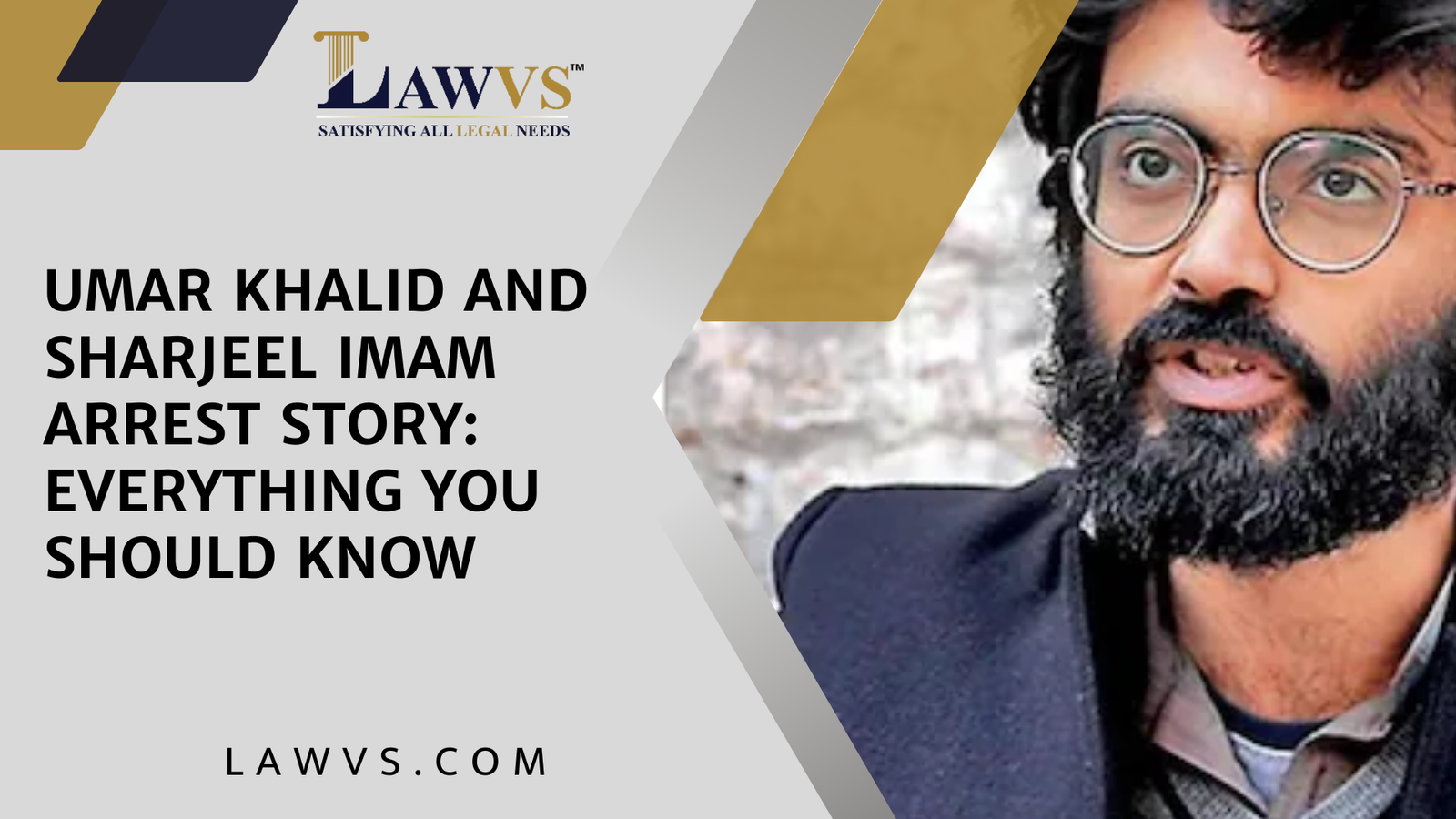
Umar Khalid and Sharjeel Imam are two student activists who became widely known in India. They spoke openly about social and political issues, especially during the protests against the Citizenship Amendment Act (CAA) in 2019-2020. Their arrests caught the attention of people all over the country and started discussions about freedom of speech, student activism, and the law. Many people want to know why they were arrested, what charges they face, what the courts decided, and what their current situation is. Here, you will find the full story of Umar Khalid and Sharjeel Imam, including their background, the events that led to their arrest, court decisions, Supreme Court rulings, their status in jail, public reactions, and why their case is important for India today. Umar Khalid is a former student of Jawaharlal Nehru University (JNU). He became known for taking part in student events and protests on social and political issues. He often speaks about human rights, equality, and justice. Many people see him as a young activist who raises his voice for causes he believes in. His activism, however, brought him into conflict with the authorities when protests became tense. Umar Khalid has written and spoken publicly on issues affecting students and minorities, which made him a public figure in India. Sharjeel Imam is a PhD student and activist. He is also from JNU and became known for his speeches during protests against the CAA. He speaks about the rights of minorities and social issues. Like Umar Khalid, Sharjeel Imam became famous nationwide after the protests in Delhi turned violent. He has a strong academic background and is known for his public speaking. Both Khalid and Imam are seen as voices of young student activists, which is why their arrests created so much discussion. Umar Khalid and Sharjeel Imam were arrested because of their connection to the northeast Delhi riots in February 2020. These riots happened after protests against the Citizenship Amendment Act (CAA) and caused deaths and injuries. Authorities say that their speeches and actions inspired violence, even though neither of them took part in the riots physically. They were charged under the Unlawful Activities (Prevention) Act (UAPA), a strict law to prevent terrorism and protect national security. Their arrest caused debate because many believe it raises questions about freedom of speech and the limits of activism. Since their arrest, the courts have carefully looked at the case. The Delhi High Court and other lower courts have rejected bail multiple times. Judges said that releasing them could affect witnesses, interfere with the investigation, and harm the trial process. The courts examined speeches, social media activity, and evidence presented by the police. Every court hearing attracted public and media attention because of the high-profile nature of the case. Legal experts say this case is important for understanding how strict laws like UAPA are applied in India. Currently, Umar Khalid and Sharjeel Imam are in judicial custody. They are staying in jail while the trial continues under strict security. Their lawyers regularly appear in court to request bail or discuss the legal process. While in jail, they continue to work with their legal teams and keep up with court proceedings. The trial is still ongoing, which means the final verdict has not yet been given. Their case is closely followed by human rights organizations, legal experts, and the public. The Supreme Court of India recently reviewed their bail pleas. After careful consideration, the court rejected their bail. The judges said the case involves serious national security issues. They also said that releasing them could affect witnesses and the ongoing investigation. The court made it clear that the trial should continue without interference. This shows that the Supreme Court is focused on maintaining the integrity of the legal process while protecting public safety. The Supreme Court issued an official order that Umar Khalid and Sharjeel Imam must remain in custody. The order highlighted that their bail could not be granted because the case is sensitive and involves national security concerns. The court also instructed the lower courts to continue the trial without any delay. This order reinforces the seriousness of the case and shows the court’s effort to balance individual rights with law and order. The arrest and trial of Umar Khalid and Sharjeel Imam matter because they touch on freedom of speech, rights of students, and how strict laws like UAPA are used. Their case raises questions about how far activism can go before it is considered illegal. Many experts see it as a test of India’s legal system—how it handles dissent, protects citizens, and ensures justice. The case also shows the challenges student activists face when speaking out on political issues. The arrest of Umar Khalid and Sharjeel Imam caused strong reactions across India. Media outlets, social media, and public forums debated their role. Some believe their arrest was necessary to maintain peace. Others think it was an attempt to silence student voices. Human rights groups raised concerns about their long detention and the use of strict laws. These discussions made the case a symbol of larger debates about freedom, justice, and law in India. Umar Khalid and Sharjeel Imam’s story is about activism, legal challenges, and public debate. They were arrested under serious charges but the trial is still ongoing. The Supreme Court has rejected their bail to protect national security and ensure a fair trial. This case is important for students, activists, and citizens who care about freedom of speech and justice in India. By understanding their story, readers can see how activism, law, and democracy interact. Keep yourself informed about important legal cases like Umar Khalid and Sharjeel Imam, share knowledge, and support thoughtful discussions for a better society. Who Are Umar Khalid?
Who Are Sharjeel Imam?
Why Were Umar Khalid and Sharjeel Imam Arrested?
What Has the Court Decided About Umar Khalid and Sharjeel Imam?
What Is the Current Status of Umar Khalid and Sharjeel Imam in Jail?
What Did the Supreme Court Decide About Umar Khalid and Sharjeel Imam’s Bail?
What Is the Supreme Court’s Order on Umar Khalid and Sharjeel Imam’s Bail?
Why This Case Matters
Public Reaction and Controversies
Conclusion
Umar Khalid and Sharjeel Imam Arrest Story: Everything You Should Know