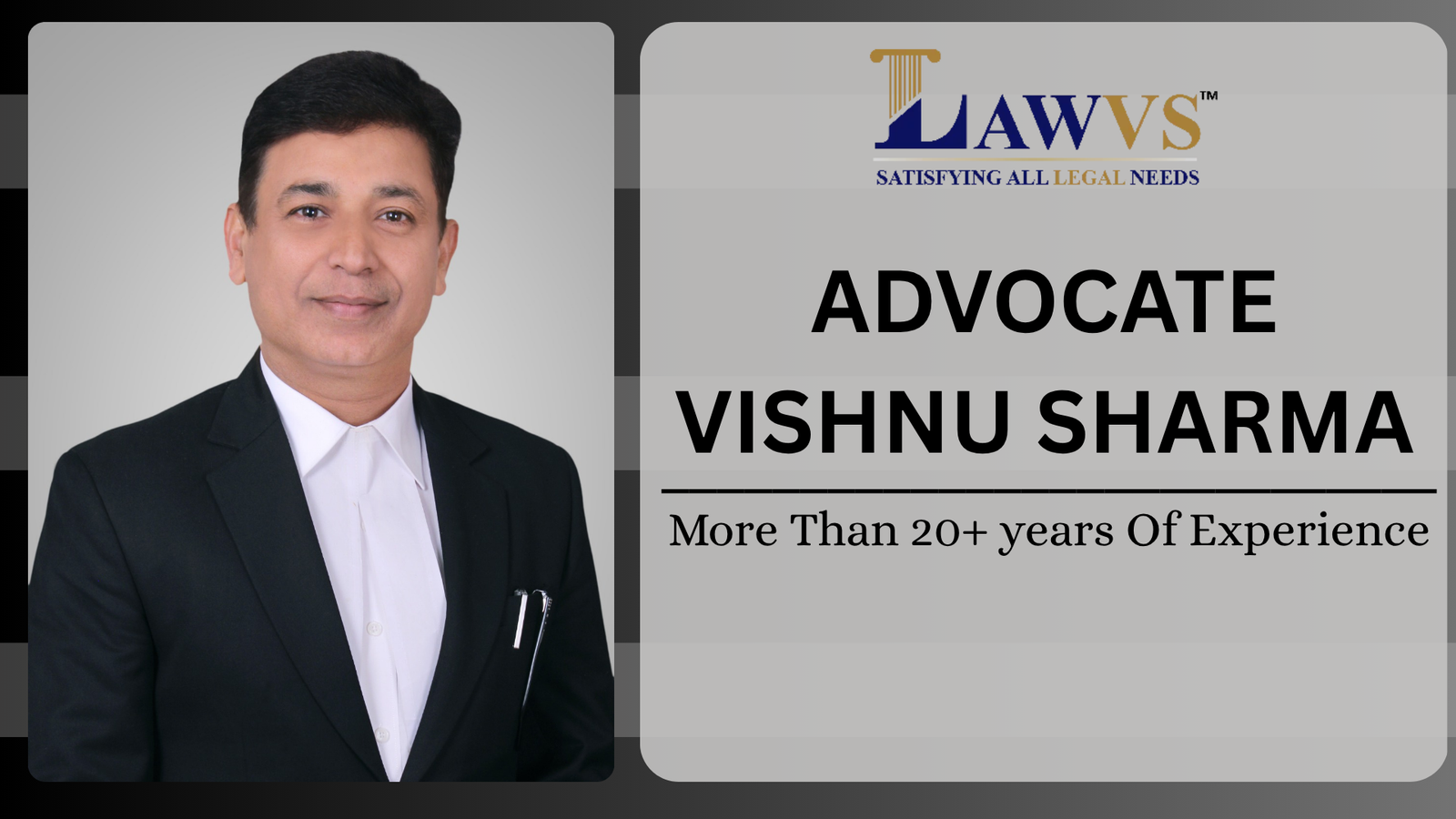
You and your partner have decided to get married, but you are unsure about the legal process. You may be living in Dwarka, working in another part of Delhi, or planning to marry someone from a different religion or state. You might have questions about the required documents, witnesses, government fees, parental permission, or whether the marriage can be completed in a single day. Getting the correct legal information before applying can help you avoid unnecessary problems. A Court Marriage Lawyer in Dwarka Court can help eligible couples understand the Special Marriage Act, 1954, review the necessary documents, identify the correct Marriage Officer, and deal with marriage-related legal difficulties. In Delhi, a court marriage under the Special Marriage Act is generally solemnised before an authorised Marriage Officer, usually through the concerned SDM office. It is not ordinarily performed by a judge inside Dwarka Courts Complex. Advocate Dr. Vishnu Sharma of LawVS Law Firm has over 15 years of professional experience and provides legal assistance concerning matrimonial law, marriage documentation, and related legal proceedings in Delhi. A court marriage lawyer can explain the legal marriage procedure, check whether you are eligible, and assist with the documents required under the Special Marriage Act. For example, a couple living in Dwarka Sector 12 may wish to marry without a religious ceremony. Another couple may live in Janakpuri and Palam and want to understand which government office is responsible for their marriage. A third couple may face objections from family members because they belong to different religions. These situations involve different practical questions. Legal assistance may include: Court marriage eligibility consultation. Special Marriage Act legal guidance. Notice of intended marriage documentation. Age and identity document review. Residence proof examination. Marriage-related affidavits and declarations. Identification of the appropriate Marriage Officer. Interfaith and inter-caste marriage advice. Documents required from three witnesses. Marriage certificate guidance. Remarriage after divorce or widowhood. NRI marriage-related legal consultation. Foreign national marriage documentation. Legal advice concerning objections. Statutory appeals against eligible refusals. Appropriate legal protection where genuine threats arise. The Marriage Officer is responsible for legally solemnising the marriage. An advocate cannot independently issue or guarantee a marriage certificate. Court marriage generally refers to a civil marriage performed under the Special Marriage Act, 1954, without requiring a traditional religious wedding ceremony. The Act allows eligible couples to marry through a legally recognised process. For example, two adults from different religious backgrounds may wish to get married without either person changing their religion. They can consider the Special Marriage Act route, subject to its legal requirements. The main provisions include: Section 4: Conditions for a lawful marriage. Section 5: Notice of intended marriage. Section 6: Publication of marriage notice. Section 7: Objections to marriage. Section 8: Inquiry into objections and appeal. Section 11: Declaration before the Marriage Officer. Section 12: Place and form of solemnisation. Section 13: Marriage certificate. Section 14: Fresh notice where marriage is not solemnised within the prescribed period. Is a religious ceremony necessary for court marriage? No. Religious rituals are not generally required when the marriage is solemnised under the Special Marriage Act. Can couples from the same religion choose court marriage? Yes. Civil marriage under the Act is not restricted to interfaith couples. A new marriage under the Special Marriage Act is generally solemnised before the authorised Marriage Officer, not inside Dwarka Courts Complex. Dwarka Courts Complex is located in Sector 10, Dwarka, New Delhi. It houses judicial courts handling matters connected with South-West Delhi, including civil, criminal and family disputes. However, the process of solemnising marriage under the Special Marriage Act is ordinarily handled through the relevant Delhi Revenue Department authority. For example, if one partner resides in Dwarka Sector 19, the couple must establish which Marriage Officer has jurisdiction over the qualifying residential address. They should not assume that the court complex or the nearest government office is automatically responsible. Why do people search for Court Marriage Lawyer in Dwarka Court? Couples commonly use this search phrase to find an advocate who can advise them about marriage-related legal procedures in Dwarka and nearby South-West Delhi areas. Can a Dwarka Court lawyer help with an SDM marriage application? Yes. An advocate may provide legal advice, review documentation and explain the lawful process. To marry under the Special Marriage Act, both partners must satisfy the conditions stated in Section 4. The principal requirements include the following. Minimum Age Under the current statutory conditions, the male must have completed 21 years and the female 18 years. No Existing Spouse Neither party may have a living spouse at the time of the proposed marriage. Valid Consent Both parties must satisfy the statutory requirements concerning their capacity to consent. Prohibited Relationships The parties must not fall within the prohibited degrees of relationship unless the applicable custom exception is legally satisfied. Voluntary Decision Both partners must freely agree to marry. Can two eligible adults marry against their parents' wishes? Yes. Parental disagreement alone does not create a legal requirement for permission. Can a person marry while an earlier divorce case is pending? Not ordinarily if the earlier marriage is still legally subsisting. At least one partner must have resided in the district of the Marriage Officer for not less than 30 days immediately before giving notice of the intended marriage. This requirement is contained in Section 5 of the Special Marriage Act. For example, a couple may be permanently from Uttar Pradesh but currently working and living in Dwarka. If one partner has genuinely resided in the relevant district for the required period, they may be able to submit notice there, subject to acceptable proof and the competent Marriage Officer's jurisdiction. However, merely giving a relative's address or using a temporary address without genuine residence is not a lawful substitute. Must both partners live in Dwarka for 30 days? No. Section 5 refers to the residence of at least one of the parties in the district of the Marriage Officer. Does owning a property in Dwarka automatically establish residence? No. Ownership and actual residence are different questions. Can a rented accommodation address be used? It may be possible if the person genuinely resides there and supplies acceptable proof under the current official requirements. Couples generally need identity proof, age proof, residence records, photographs, declarations and documents relating to their marital status. The precise checklist should be confirmed with the concerned Marriage Officer before applying. Common records include: Prescribed notice of intended marriage. Birth certificate, passport or matriculation certificate as age proof. Accepted identity documents. Address and residence proof. Passport-size photographs. Separate affidavits concerning marital status. Declaration regarding prohibited relationships. Final divorce decree, if previously divorced. Death certificate of a former spouse, if widowed. Identification documents of three witnesses. Additional records requested under the applicable procedure. For example, one partner may have an Aadhaar card showing a permanent address in Rajasthan but may currently reside in Dwarka. The correct approach is to check which documents the Marriage Officer accepts to establish the qualifying local residence. Is Aadhaar compulsory for court marriage? Aadhaar should not be assumed to be the only permissible identity document. Check the current government's accepted document list. Can documents from another state be used? They may be relevant for identity, age or marital status, but the statutory residence requirement must still be established where applicable. The regular procedure involves checking eligibility, submitting statutory notice, waiting for the prescribed period, completing declarations and solemnising the marriage. The general steps are explained below. Step 1: Confirm Legal Eligibility Both partners should check the age, marital status, consent and relationship conditions under Section 4. Step 2: Identify the Competent Marriage Officer Determine the relevant revenue district based on the required residence. Step 3: Collect the Required Documents Prepare acceptable age proof, identity records, residence documents, photographs and declarations. Step 4: Submit the Notice of Intended Marriage The couple submits the prescribed notice under Section 5 of the Special Marriage Act. Step 5: Follow the Notice Procedure The Marriage Officer performs the legally required publication and recordkeeping steps. Step 6: Complete the Statutory Waiting Period The ordinary process involves a period of 30 days. Step 7: Address Any Legal Objection An objection based on the conditions in Section 4 may require a statutory inquiry. Step 8: Arrange Three Witnesses Ensure that the witnesses can attend and carry the necessary identification documents. Step 9: Sign the Required Declaration Both partners and the three witnesses sign the declaration before the Marriage Officer. Step 10: Solemnisation and Certificate The Marriage Officer solemnises the marriage according to the Act and records the certificate. The actual time needed for appointments, document verification and completion may differ from one office to another. The ordinary Special Marriage Act solemnisation procedure includes a statutory 30-day notice period. For example, a couple may want to get married next weekend. If they have not yet initiated the Special Marriage Act process, they should not assume that preparing documents will allow them to complete the marriage immediately. The statutory process includes notice and a period during which a legally recognised objection may be raised. Can a lawyer waive the 30-day notice period? No advocate can independently remove a statutory notice requirement. Any legal challenge or exceptional relief must be considered through the competent legal forum under the applicable law. Does the notice give parents a right to reject the marriage? No. A valid objection must relate to a statutory ground, not merely personal disagreement. A fresh marriage under the ordinary Special Marriage Act procedure cannot normally be completed in one day because of the notice requirement. Couples should be careful when reading advertisements promising an instant court marriage. Some advertisements may actually refer to registration of an existing valid marriage rather than solemnisation of a new marriage. For example, a couple who completed a valid Hindu wedding several months ago may need registration of that existing marriage. This is not the same procedure as a new civil marriage under the Special Marriage Act. Can marriage registration happen faster than fresh solemnisation? Different procedures may have different timelines. Does notarising an affidavit create a valid marriage by itself? No. A notarised statement alone does not ordinarily solemnise a marriage. Three witnesses are required for solemnisation under the Special Marriage Act. Section 11 requires the parties and three witnesses to sign the prescribed declaration before the Marriage Officer. The witnesses must attend according to the statutory procedure and carry documents accepted by the concerned office. Can friends act as court marriage witnesses? Yes, where they satisfy the applicable requirements. Are parents required to become witnesses? No. Parents are not automatically required to attend or act as witnesses. Can the witnesses sign documents without attending? The statutory requirements for presence and declaration before the Marriage Officer must be followed. Yes. Eligible adults from different religions may marry under the Special Marriage Act without changing their religion. For example, a Hindu man living in Dwarka and a Muslim woman living in Uttam Nagar may wish to get married. The Special Marriage Act provides a civil marriage route when they satisfy the applicable conditions. The couple must still complete the necessary notice, residence, document and solemnisation requirements. Is religious conversion necessary for interfaith court marriage? No. The Special Marriage Act generally allows eligible couples to marry without converting to the same religion. Can relatives prevent marriage only because the partners follow different religions? Religious disagreement alone is not a statutory ground for preventing an otherwise lawful marriage between eligible adults. Yes. Different caste backgrounds do not ordinarily prevent eligible adults from marrying under the Special Marriage Act. For example, a couple from Palam and Janakpuri may wish to marry despite opposition from relatives. The law examines their statutory eligibility, not whether their families belong to the same caste. Do inter-caste couples need special permission from parents? No, not merely because they belong to different castes. Can an inter-caste couple seek legal help if threatened? Yes. Where genuine threats or unlawful interference exist, the couple may seek appropriate police assistance or judicial remedies. Adults who meet the statutory conditions may choose their marriage partner without requiring parental approval simply because their families disagree. For example, two adults may have been in a relationship for several years, but their parents may refuse to support the marriage. The couple's legal eligibility is not automatically affected by this disagreement. However, both partners must act voluntarily and comply with the marriage law. Can parents cancel a legally valid marriage? Parental disagreement alone does not invalidate an otherwise lawful marriage. What if relatives threaten the couple? The affected persons may seek appropriate legal protection and police assistance. If there is immediate danger, contacting emergency services or the police promptly is important. A legal objection under the Special Marriage Act must concern a violation of the statutory conditions for marriage. Section 7 permits objections based on Section 4. For example, someone may allege that one partner already has a legally subsisting marriage. That objection may require examination by the Marriage Officer. However, a parent's objection based solely on caste, religion or personal preference does not by itself establish a valid statutory reason. The Marriage Officer must deal with legally relevant objections according to the prescribed procedure. Can any person raise a statutory objection? Section 7 provides a process for objections on specified grounds. An objection is not automatically valid merely because it is submitted. Can the Marriage Officer refuse to solemnise the marriage? Yes, where a valid objection is upheld or another legal requirement is not met. Where a Marriage Officer refuses solemnisation after upholding an objection under Section 8, a statutory appeal may be filed before the competent District Court. The Act provides a 30-day appeal period for this refusal. For example, a Marriage Officer having an office within the jurisdiction of the relevant South-West Delhi District Court may pass a refusal order following an objection. The parties may need legal advice concerning whether the competent appeal forum is at Dwarka Courts. The correct forum depends on the particular Marriage Officer's office and applicable territorial jurisdiction. Does every marriage refusal appeal belong in Dwarka Court? No. The competent District Court must be identified according to the statute and relevant jurisdiction. Can an advocate help prepare the appeal? Yes. An advocate may review the refusal order, evidence, statutory requirements and filing deadline. The correct Marriage Officer depends on the current Delhi revenue district jurisdiction and the qualifying residence of at least one partner. For example, a couple living in Dwarka Sector 6 should check the Marriage Officer responsible for their address. A couple from Najafgarh or Kapashera should not automatically assume that their application belongs before the same officer. The South-West judicial district associated with Dwarka Court is not itself proof of the correct revenue office for marriage solemnisation. Before applying, confirm: The actual residential address. Whether the statutory residence period is fulfilled. The relevant revenue district. The authorised Marriage Officer. Accepted residence documents. Current appointment and submission requirements. Can a couple choose any SDM office in Delhi? No. The applicable statutory residence and jurisdiction requirements must be satisfied. Yes. A divorced person may remarry when the previous marriage has been legally dissolved and the applicable remarriage requirements are satisfied. For example, a person may have obtained a valid divorce decree from a Family Court and may wish to enter a new marriage. Before proceeding, the legal effect of the decree and any relevant appeal-related restriction should be checked. The Marriage Officer may require a copy of the divorce decree and supporting documents. Is a private separation agreement enough to marry someone else? No. A private separation does not itself dissolve a legally valid marriage. Can someone remarry while their divorce case is pending? Not ordinarily where the earlier marriage remains legally subsisting. Yes. A widow or widower may marry under the Special Marriage Act, provided the other statutory conditions are met. A death certificate of the former spouse may be required. The applicant must also submit the applicable identity, age and residence documents. An NRI may be able to marry in Delhi under an applicable legal procedure, depending on residence, citizenship and supporting records. For example, an Indian citizen working in Canada may want to marry a partner living in Dwarka. The couple should examine: Current citizenship. Overseas residence. Indian residential address. Statutory residence requirements. Passport and identity records. Previous marriage details. Documents issued outside India. Personal attendance requirements. Can an NRI complete the whole marriage through video conferencing? Couples should not assume that remote solemnisation is automatically allowed under the ordinary Special Marriage Act procedure. Can a relative sign the marriage declaration instead of one spouse? The Act contains personal declaration and solemnisation requirements that cannot simply be ignored through a power of attorney. A marriage involving a foreign national may be possible under the applicable law, but eligibility and documentation require careful examination. For example, an Indian citizen residing in Dwarka may wish to marry a foreign citizen. Relevant questions include the foreign national's identity, marital status, current residence and required official documents. Foreign records may require authentication, apostille or translation according to the relevant authority's requirements. Does marriage automatically grant Indian citizenship to the foreign spouse? No. Citizenship is governed by separate legal provisions. Does a marriage certificate automatically provide a visa? No. Visa and immigration permission are separate matters. Court marriage under the Special Marriage Act solemnises a marriage, while marriage registration may record a marriage that has already been lawfully celebrated. For example, a couple may already have completed a Hindu marriage ceremony in Delhi. They may now require an official registration certificate. Another couple may prefer a civil marriage without a religious ceremony. Their situation may require the Special Marriage Act solemnisation procedure. The document requirements, government process and timelines may differ. Can an existing Hindu marriage be registered without another wedding? Yes, where the original marriage was valid and the applicable registration requirements are satisfied. Does signing a marriage affidavit replace either procedure? No. An affidavit alone is not a substitute for lawful marriage solemnisation or registration. Section 14 of the Special Marriage Act generally requires a fresh notice when the marriage is not solemnised within three calendar months from the date of the original notice. For example, a couple may submit notice and later postpone their marriage because of overseas travel. If the statutory period expires, a fresh notice may be required. The Act contains relevant qualifications concerning objection proceedings and appeals. Can you keep extending the same notice indefinitely? No. The statutory provisions must be followed. Court marriage expenses may include prescribed government charges, documentation costs and optional legal consultation fees. Government charges and an advocate's professional fees are separate. Expenses may include: Government solemnisation fee. Required affidavits. Photographs. Photocopies and supporting documents. Authentication of foreign records, if necessary. Optional professional legal assistance. The current official fee and payment procedure should be checked with the relevant Delhi Revenue Department office. Does paying more money mean the marriage will be approved faster? No. Statutory requirements cannot be bypassed by an additional payment. Are all couples required to hire a lawyer? No. The law does not generally require every eligible couple to engage an advocate for marriage solemnisation. The Marriage Officer records the certificate under Section 13 of the Special Marriage Act after the marriage has been lawfully solemnised. The certificate has the legal significance provided by the Act. It may be useful for: Passport applications. Visa applications. Insurance records. Banking records. Employment documentation. Other legal or administrative matters. Is the certificate recognised as evidence of marriage? Yes, according to the evidentiary provisions of the Special Marriage Act. Will the certificate automatically be accepted for a foreign visa? Visa authorities apply their own requirements, including any translation or authentication rules. Couples from Dwarka and nearby South-West Delhi localities may seek legal advice concerning civil marriage procedures and related matrimonial issues. Relevant areas include: Dwarka Sector 3. Dwarka Sector 6. Dwarka Sector 7. Dwarka Sector 10. Dwarka Sector 12. Dwarka Sector 13. Dwarka Sector 19. Dwarka Sector 21. Dwarka Sector 22. Dwarka Sector 23. Palam. Mahavir Enclave. Dashrath Puri. Dabri. Sagarpur. Janakpuri. Uttam Nagar. Najafgarh. Kakrola. Matiala. Bindapur. Kapashera. Bijwasan. These are local service references only. They do not necessarily fall under the same Marriage Officer or revenue district. Couples should avoid incorrect documents, false declarations and misleading promises about the legal marriage process. Common mistakes include: Giving incorrect age information. Concealing an earlier marriage. Using a false residential address. Applying before the wrong Marriage Officer. Assuming parental approval is compulsory. Believing religious conversion is required for every interfaith marriage. Confusing marriage registration with new marriage solemnisation. Arranging witnesses without checking identification requirements. Signing incomplete declarations. Assuming every court marriage can be completed in one day. For example, a person who gives false marital-status information may face legal consequences. Correct information and lawful documentation are important. Choose an advocate who understands the Special Marriage Act, reviews documents carefully and explains the legal procedure without unrealistic promises. For example, a couple may need advice on the 30-day residence condition. Another may want to understand the rules for interfaith marriage. A third may need advice about remarriage following divorce. Before selecting a lawyer, consider: Knowledge of the Special Marriage Act, 1954. Understanding of Delhi's authorised Marriage Officer system. Familiarity with age and residence requirements. Careful document verification. Understanding of the statutory notice procedure. Knowledge of objections and appeals. Clear communication about professional fees. Advice based on legal requirements rather than promised outcomes. If you are searching for the Best Court Marriage Lawyer in Dwarka Court, focus on legal knowledge, careful documentation and clear professional advice instead of guarantees of instant marriage. Frequently Asked Questions Ordinary Special Marriage Act solemnisation takes place before the authorised Marriage Officer, not automatically before a judge at Dwarka Courts Complex. Yes. An advocate can provide legal guidance concerning eligibility, documents, notice and related legal matters. The ordinary Special Marriage Act process includes a statutory 30-day notice period. Additional time may be required for appointments and other steps. Not ordinarily for a fresh marriage under the Special Marriage Act. Three witnesses are required for the statutory declaration and solemnisation. Yes, subject to the applicable eligibility requirements. Eligible adults do not generally need parental permission merely because their families disagree. Under the current statutory conditions, the male must have completed 21 years and the female 18 years. Yes. Different caste backgrounds do not ordinarily prevent an otherwise lawful marriage. Common records include age proof, identity proof, residence documents, photographs, declarations and witness identification. Possibly, if the statutory residence and other legal requirements are satisfied. Yes, when the previous marriage is legally dissolved and applicable remarriage conditions have been fulfilled. Possibly, depending on citizenship, residence, eligibility and documentation. No. Solemnisation of a new marriage and registration of an existing marriage are different procedures. A valid statutory objection must concern the conditions in Section 4 of the Special Marriage Act. A refusal following an upheld statutory objection may be appealed before the competent District Court under Section 8. The relevant Marriage Officer depends on the current revenue district boundaries and the qualifying residence of at least one party. Yes. Appropriate legal protection or police assistance may be available where genuine threats exist. It may be used as evidence of marriage, but visa eligibility and approval are separate matters. 20. Is hiring a lawyer compulsory for court marriage? No. Engaging an advocate is generally optional, although legal guidance may help with complex documentation or disputes. Advocate Dr. Vishnu Sharma of LawVS Law Firm provides legal assistance concerning matrimonial law, marriage-related documentation and related legal proceedings in Delhi. He has over 15 years of professional experience and previously served as an Honorary Secretary Member of the Bar Council of Delhi. Couples may require legal advice about their eligibility, documents, statutory residence, interfaith marriage, previous divorce or a dispute involving the Marriage Officer. For example, a couple from Dwarka may need help identifying the appropriate government office. An NRI may need guidance about the documents required for marriage in India. Another couple may face legal questions concerning an objection to their intended marriage. Depending on the matter, legal assistance may include: Special Marriage Act consultation. Court marriage eligibility assessment. Notice documentation guidance. Residence and identity record review. Interfaith marriage legal advice. Inter-caste marriage guidance. Witness documentation. Remarriage after divorce consultation. NRI marriage-related advice. Marriage Officer objection matters. Statutory appeal advice. Appropriate legal protection remedies. The competent Marriage Officer remains responsible for solemnisation and marriage certification. Advocate: Dr. Vishnu Sharma A Court Marriage Lawyer in Dwarka Court can help eligible couples understand the legal process for a civil marriage under the Special Marriage Act, 1954. Whether you are planning an interfaith marriage, inter-caste marriage or a simple civil marriage without religious ceremonies, it is important to understand the age requirements, residence rules, statutory notice and witness procedure. You should also identify the correct Marriage Officer rather than assuming that a court marriage takes place inside Dwarka Courts Complex. The ordinary process includes a 30-day notice, legal declarations, three witnesses and solemnisation before the authorised Marriage Officer. Advocate Dr. Vishnu Sharma of LawVS Law Firm provides legal assistance concerning marriage documentation and related matrimonial legal matters in Delhi. For a legal consultation concerning court marriage near Dwarka Court, call 9873181685. How Can a Court Marriage Lawyer in Dwarka Court Help You?
What Is Court Marriage Under the Special Marriage Act?
Does Court Marriage Take Place Inside Dwarka Court?
Who Is Eligible for Court Marriage in Dwarka?
What Is the 30-Day Residence Requirement for Court Marriage?
What Documents Are Required for Court Marriage in Dwarka?
How to Apply for Court Marriage in Dwarka, Delhi
Is the 30-Day Notice Compulsory for Court Marriage?
Can Court Marriage Be Completed in One Day in Dwarka?
How Many Witnesses Are Required for Court Marriage in Dwarka?
Can a Hindu and Muslim Couple Have Court Marriage in Dwarka?
Can Inter-Caste Couples Get Court Married in South-West Delhi?
Can Couples Marry Without Their Parents' Permission?
What Happens If Someone Objects to Court Marriage?
Can You Appeal Against a Marriage Officer's Refusal at Dwarka Court?
Which SDM Office Handles Court Marriage in Dwarka?
Can a Divorced Person Have Court Marriage in Dwarka?
Can a Widow or Widower Apply for Court Marriage?
Can an NRI Apply for Court Marriage in Dwarka?
Can an Indian Citizen Marry a Foreign National in Dwarka?
What Is the Difference Between Court Marriage and Marriage Registration?
How Long Is a Court Marriage Notice Valid?
How Much Does Court Marriage Cost in Dwarka?
When Will the Court Marriage Certificate Be Issued?
Which Areas Can Seek Court Marriage Legal Assistance Near Dwarka Court?
What Mistakes Should You Avoid During Court Marriage?
How Can You Choose a Court Marriage Lawyer in Dwarka Court?
Can court marriage be performed inside Dwarka Court?
Can a Dwarka Court advocate assist with court marriage?
How long does court marriage take in Dwarka?
Can court marriage be completed in one day?
How many witnesses are necessary?
Can a Hindu and Muslim couple marry without religious conversion?
Is parental permission compulsory?
What is the minimum age for court marriage?
Can couples from different castes marry?
Which documents are required?
Can a person from another state get married in Dwarka?
Can a divorced person get married again?
Can an NRI get court married in Delhi?
Is court marriage the same as marriage registration?
What if a relative objects to the marriage?
Can the Marriage Officer's refusal be appealed?
Which SDM office handles Dwarka court marriage?
Can a couple seek legal protection from family threats?
Is a marriage certificate valid for visa applications?
Why Consult Advocate Dr. Vishnu Sharma for Court Marriage Legal Assistance Near Dwarka Court?
Law Firm: LawVS Law Firm
Professional Experience: 15+ Years
Legal Practice: Delhi
Website: www.lawvs.com
Contact Number: 9873181685Conclusion
Court Marriage Lawyer in Dwarka Court