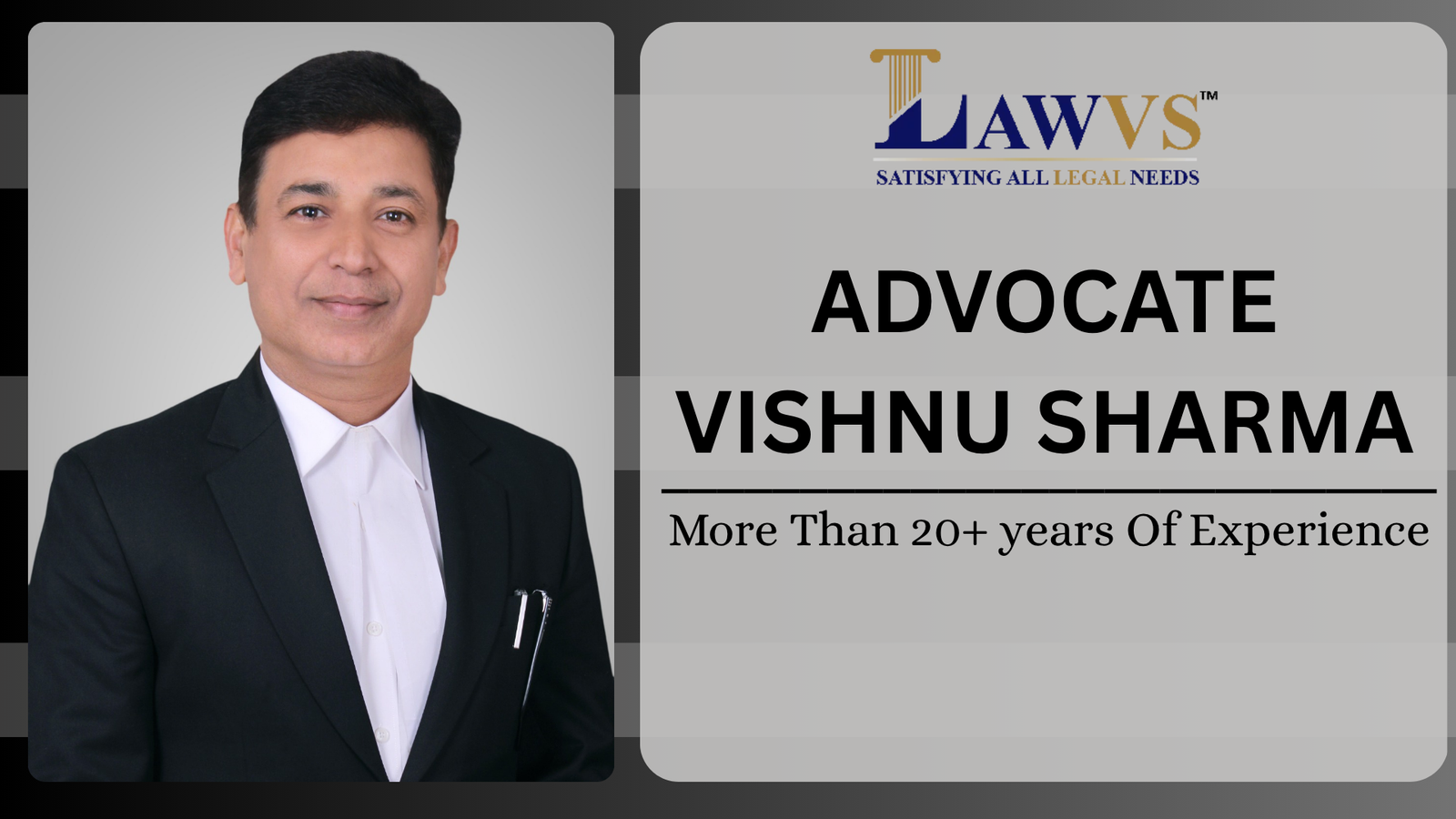
You want to marry your partner, but you are unsure about the legal process. Perhaps your families belong to different religions, you prefer a simple marriage without a traditional wedding, or your parents do not support your decision. You may be wondering whether court marriage can be completed in one day, how many witnesses you need, or which government office you should visit in South Delhi. These are common questions, and getting the correct information before applying can save time and prevent mistakes. A Court Marriage Lawyer in Saket Court can help you understand the Special Marriage Act, 1954, review the required documents, check your legal eligibility, and identify the appropriate Marriage Officer. In Delhi, a court marriage under the Special Marriage Act is generally solemnised before an authorised Marriage Officer, usually through the concerned SDM office. It is not ordinarily conducted by a judge inside Saket Courts Complex. Advocate Dr. Vishnu Sharma of LawVS Law Firm has over 15 years of professional experience and provides legal assistance concerning matrimonial laws, marriage-related documentation, and related legal proceedings in Delhi. A court marriage lawyer can guide eligible couples through the legal requirements, marriage notice procedure, documentation, and other matters connected with civil marriage. For example, a couple living in Malviya Nagar may want to marry without organising a religious ceremony. Another couple from Kalkaji and Govindpuri may belong to different religions and wish to marry without conversion. Both couples may need guidance about the Special Marriage Act and the correct government office. Legal assistance may include: Court marriage eligibility consultation. Special Marriage Act legal guidance. Marriage notice documentation. Review of age and identity proof. Residence document verification. Preparation of relevant affidavits. Guidance concerning the authorised Marriage Officer. Interfaith marriage legal advice. Inter-caste marriage legal guidance. Witness documentation. Marriage certificate procedure. Remarriage after divorce. NRI and foreign national marriage-related consultation. Advice concerning statutory objections. Legal remedies where couples face unlawful threats. The Marriage Officer remains responsible for solemnisation and certification. An advocate cannot independently approve or conduct a statutory marriage. Court marriage is commonly used to describe a civil marriage solemnised under the Special Marriage Act, 1954, without requiring a religious wedding ceremony. The Act allows eligible couples to marry through a recognised legal process. For example, a Hindu man and a Christian woman may wish to marry while continuing to follow their respective religions. They may choose the Special Marriage Act procedure if they meet its legal requirements. Important provisions include: Section 4: Conditions for marriage. Section 5: Notice of intended marriage. Section 6: Publication of notice. Section 7: Objections to marriage. Section 8: Inquiry into objections and appeals. Section 11: Declaration by parties and witnesses. Section 12: Place and form of solemnisation. Section 13: Marriage certificate. Section 14: Fresh notice when marriage is not solemnised within the prescribed period. Is a temple wedding necessary before court marriage? No. A religious wedding ceremony is not a general requirement for solemnisation under the Special Marriage Act. Can couples belonging to the same religion choose court marriage? Yes. The Special Marriage Act is not limited to interfaith couples. An ordinary marriage under the Special Marriage Act in Delhi is solemnised before the competent Marriage Officer, not automatically inside Saket Courts Complex. Saket Courts Complex handles judicial proceedings associated with South and South-East Delhi. However, marriage solemnisation is an administrative and statutory function carried out by authorised Marriage Officers. For example, a couple living in Greater Kailash may need to approach the office that has marriage jurisdiction over their qualifying residential address. Visiting Saket Court itself does not replace the application process. Why do people search for Court Marriage Lawyer in Saket Court? Many people use this search term when looking for legal assistance from an advocate who handles marriage-related matters in South Delhi. Can a Saket Court advocate help with marriage documentation? Yes. An advocate may review documents, explain the applicable law, and advise on related legal issues. A couple must satisfy the statutory conditions under Section 4 of the Special Marriage Act, 1954. The principal conditions include the following. Age Requirement Under the current statutory provision, the male must have completed 21 years and the female 18 years. No Existing Spouse Neither party may have a living spouse at the time of marriage. Legal Capacity The parties must satisfy the statutory conditions concerning the ability to give valid consent and other relevant capacity requirements. Prohibited Relationships The parties must not fall within the prohibited degrees of relationship unless a legally recognised custom permits the marriage. Voluntary Consent Both partners must voluntarily agree to the marriage. Can two adults marry without their parents' permission? Eligible adults do not generally require parental consent merely because their families oppose the relationship. Can someone marry again while a previous divorce case is pending? Not ordinarily when the earlier marriage remains legally subsisting. The previous marriage must have been legally dissolved and the applicable remarriage requirements satisfied. Couples generally need age proof, identity records, residence documents, photographs, statutory declarations, and identification documents for witnesses. The exact checklist should be confirmed with the concerned Marriage Officer. Common documents may include: Completed notice of intended marriage. Birth certificate, matriculation certificate, or passport as proof of age. Accepted identity documents. Documentary proof of the required residence. Passport-size photographs. Separate affidavits concerning marital status. Declarations regarding prohibited relationships. Final divorce decree where a party was previously divorced. Death certificate of a previous spouse where applicable. Identification documents of three witnesses. Any additional documents required by the concerned office. For example, a couple may live in a rented apartment in Saket while their identity documents show permanent addresses in other states. They should verify which records the Marriage Officer accepts to establish the required local residence. Is an Aadhaar card compulsory for court marriage? Aadhaar should not be assumed to be the only acceptable identity document. The applicable government requirements must be checked. Can the couple apply without residence proof? The required residence must be established through acceptable evidence. The ordinary Special Marriage Act process involves submitting notice, completing the statutory notice period, making the required declaration, and solemnising the marriage before the Marriage Officer. Step 1: Check Your Eligibility Confirm that both parties satisfy the age, marital status, and other statutory conditions. Step 2: Identify the Correct Marriage Officer Find the competent Marriage Officer based on the relevant residence requirement. Step 3: Prepare Your Documents Collect age proof, identity records, residence documents, photographs, and required declarations. Step 4: Submit the Notice of Intended Marriage The couple submits the prescribed notice under Section 5 of the Special Marriage Act. Step 5: Statutory Publication The Marriage Officer follows the legally prescribed notice procedure. Step 6: Complete the Notice Period The ordinary process requires the statutory 30-day period. Step 7: Address Any Legal Objection If an objection is raised on a statutory ground, the Marriage Officer examines it according to law. Step 8: Arrange Three Witnesses The witnesses should have the necessary identification documents and be available for the required appearance. Step 9: Sign the Declaration The parties and witnesses sign the declaration in the Marriage Officer's presence. Step 10: Solemnisation and Marriage Certificate The Marriage Officer solemnises the marriage and records the certificate according to the Act. Actual appointment availability and processing time depend on the relevant office. The ordinary Special Marriage Act solemnisation procedure includes a statutory 30-day notice period. Section 5 requires notice of the intended marriage. Section 6 contains provisions concerning publication of that notice. Section 7 allows objections on the specified statutory grounds. For example, a couple planning to marry the following morning cannot normally complete a fresh Special Marriage Act marriage simply by preparing affidavits today. Can a lawyer waive the 30-day period? A lawyer cannot independently remove a statutory requirement. Any exceptional legal relief must arise through the applicable law and a competent authority or court. Can relatives object merely because they dislike the marriage? Family disapproval alone is not a statutory ground for refusing a legally eligible marriage. A fresh marriage under the ordinary Special Marriage Act process cannot normally be completed in one day because statutory notice requirements apply. Some people confuse a new civil marriage with registration of a marriage already lawfully solemnised. For example, a couple may have completed a valid Hindu wedding ceremony and now need an official marriage registration certificate. That is different from solemnising a new marriage under the Special Marriage Act. Is a one-day marriage registration the same as a one-day court marriage? No. Registration of an existing marriage and solemnisation of a new marriage are different legal procedures. Should couples trust advertisements promising guaranteed instant court marriage? They should verify the exact procedure being offered and whether it complies with the law. Three witnesses are required for the declaration and solemnisation process under the Special Marriage Act. Section 11 requires the parties and three witnesses to sign the declaration before the Marriage Officer. For example, a couple may arrange three eligible adult friends or relatives who can attend with the required identification. Can friends become court marriage witnesses? Yes, where they satisfy the applicable requirements. Are the couple's parents required to attend? No. The Special Marriage Act does not generally require parents to act as witnesses. Can witnesses sign from home? The statutory requirements for appearance and signing before the Marriage Officer must be followed. Yes. Eligible adults from different religions may marry under the Special Marriage Act without changing their religion. For example, a Hindu woman living in Chhatarpur and a Muslim man living in Okhla may decide to marry. The Special Marriage Act provides a civil marriage route if they satisfy its legal conditions. The ordinary residence, notice, declaration, and witness requirements still apply. Is religious conversion necessary for a Hindu-Muslim court marriage? No. The Special Marriage Act does not generally require either partner to convert. Can family members prevent a marriage solely because the religions are different? Religious disagreement alone does not create a statutory right to prevent an otherwise lawful marriage between eligible adults. Yes. Belonging to different castes does not ordinarily prevent eligible adults from marrying under the Special Marriage Act. For example, a couple from Mehrauli and Malviya Nagar may want to marry despite opposition from family members. The Act determines eligibility through legal conditions rather than the approval of a particular caste community. Is parental approval necessary for an inter-caste marriage? No, not merely because the couple belongs to different castes. Can an inter-caste couple seek protection from threats? Yes. Where genuine threats or unlawful interference occur, police assistance or appropriate judicial protection may be considered. Eligible adults have the right to choose their spouse, subject to applicable marriage laws. For example, parents may oppose a marriage because of religion, caste, financial background, or personal disagreement. Such objections do not automatically prevent eligible adults from marrying. However, both parties must enter the marriage voluntarily and satisfy the statutory conditions. Can parents cancel an otherwise legally valid marriage? Parental disagreement alone does not invalidate a lawful marriage. What if someone threatens the couple? The couple may approach the police or seek appropriate legal protection where the facts justify it. Where there is immediate danger, prompt assistance from the appropriate authorities is important. A statutory objection to a Special Marriage Act marriage must relate to the conditions specified in Section 4. For example, someone may allege that a party is already married to another living spouse. That allegation may require examination. However, merely disliking the couple's choice of partner is not a valid statutory objection. Section 8 provides the procedure for inquiry into objections. Can the Marriage Officer refuse to solemnise a marriage? Yes, where the legal requirements are not satisfied or a valid statutory objection is upheld. Can the refusal be challenged? Section 8 provides an appeal to the competent District Court within 30 days of a refusal following the objection procedure. Saket Court may become relevant when a marriage-related legal proceeding falls within the jurisdiction of a competent court at the complex. For example, a Marriage Officer may refuse solemnisation after upholding an objection under Section 8. The affected party may examine the statutory appeal procedure. The correct District Court is determined according to the location of the Marriage Officer's office and applicable jurisdiction. A matter may fall within Saket's jurisdiction where the relevant legal conditions are satisfied. Does every marriage objection appeal go to Saket Court? No. The competent District Court must be identified from the relevant statutory and territorial rules. Can an advocate help with a refusal order? Yes. The order, statutory grounds, available evidence, and appeal limitation period can be examined. The correct Marriage Officer depends on the relevant Delhi revenue district and the statutory residence requirements. Section 5 provides that at least one party must have resided in the district of the Marriage Officer for not less than 30 days immediately before giving notice. For example, a person living in Saket may need a different office from someone living in another part of South-East Delhi. The applicant should check the current government jurisdiction for the particular residential address. Can couples apply at any SDM office in Delhi? No. The statutory residence and jurisdiction requirements must be satisfied. Does living near Saket Court automatically mean the Saket-area office is competent? No. The correct revenue jurisdiction must be established. Yes. A divorced person may marry again when the previous marriage has been legally dissolved and applicable remarriage requirements are fulfilled. For example, a woman who obtained a valid divorce decree may wish to marry a new partner. Her previous marriage records and any applicable appeal-related restrictions should be examined. Is a separation agreement sufficient for remarriage? No. A private separation agreement does not itself dissolve a legally valid marriage. Can a person remarry while a divorce petition is pending? Not ordinarily when the previous marriage remains legally subsisting. Yes. A widow or widower can apply for a marriage under the Special Marriage Act if otherwise eligible. The concerned Marriage Officer may require the death certificate of the former spouse along with other prescribed documents. An NRI may be able to marry in Delhi under the applicable legal process, subject to the relevant residence, citizenship, and documentary requirements. For example, an Indian citizen working in the United States may intend to marry someone living in South Delhi. Important questions may include: Where each partner currently resides. Whether the statutory residence condition is satisfied. Citizenship and passport details. Previous marital status. Foreign documents requiring authentication. Attendance before the Marriage Officer. Immigration consequences of the marriage. Can an NRI complete court marriage entirely through video conferencing? Couples should not assume that remote solemnisation automatically satisfies the statutory requirements. Can a relative sign all marriage documents on behalf of an absent partner? The personal declaration and solemnisation requirements under the Act must be complied with. A marriage involving a foreign national may be legally possible, depending on the parties' circumstances and applicable requirements. For example, an Indian citizen living in Greater Kailash may want to marry a foreign citizen. The couple may need additional documents relating to nationality, marital status, lawful stay, and residence. Foreign records may require translation, apostille, or another form of authentication. Does marrying an Indian citizen automatically grant Indian citizenship? No. Citizenship is governed by separate laws and procedures. Does the marriage certificate automatically provide an Indian visa? No. Visa and residence permissions must be obtained under the applicable immigration rules. Court marriage solemnises a new marriage under a prescribed legal process, while marriage registration records a marriage that has already been lawfully performed. For example, a couple may have married through Hindu ceremonies in South Delhi. They may later apply to register that marriage. Another couple may want to marry without performing religious rituals and choose the Special Marriage Act. These couples require different legal procedures. Can an existing marriage be registered without performing a new ceremony? Yes, when the existing marriage is valid and the applicable registration requirements are satisfied. Are witness requirements identical in both procedures? Not necessarily. Different registration and solemnisation procedures may have different requirements. Under Section 14 of the Special Marriage Act, a fresh notice is generally required when the marriage is not solemnised within three calendar months from the date of the notice. For example, a couple may submit notice and then postpone their marriage for several months. If the statutory period expires, a new notice may be necessary. The Act contains relevant provisions for cases where objections or appeals affect the procedure. Can the original notice be used indefinitely? No. The prescribed period and applicable legal provisions must be followed. The cost of court marriage may include prescribed government charges, document-related expenses, and optional professional legal fees. The Delhi Revenue Department publishes information about the government process and fees. Expenses may include: Government marriage solemnisation fee. Affidavit preparation. Photographs and photocopies. Translation or authentication of foreign documents. Professional legal consultation, where engaged. The current government fee and payment method should be confirmed with the competent office before applying. Are lawyer fees included in the government fee? No. Professional legal fees are separate. Can a higher payment guarantee faster marriage approval? No. Statutory requirements cannot be bypassed simply by paying additional money. The Marriage Officer records the certificate after solemnisation according to Section 13 of the Special Marriage Act. The marriage certificate is an important official record. For example, a couple may later need it for: Passport-related applications. Spouse visa applications. Banking records. Insurance. Employment documentation. Other administrative purposes. Does a marriage certificate guarantee a foreign spouse visa? No. Immigration authorities apply their own eligibility requirements. Couples from South and South-East Delhi may seek legal consultation concerning civil marriage and related matrimonial issues. Relevant localities include: Saket. Malviya Nagar. Hauz Khas. Green Park. Panchsheel Park. Greater Kailash. Defence Colony. Lajpat Nagar. Kalkaji. Govindpuri. Nehru Place. Okhla. Jamia Nagar. New Friends Colony. Sarita Vihar. Chhatarpur. Mehrauli. Vasant Kunj. Sangam Vihar. Pushp Vihar. Sheikh Sarai. Sainik Farm. CR Park. South Extension. These are geographical service references. They do not all necessarily fall within the jurisdiction of the same Marriage Officer. Incorrect documents, false declarations, and confusion about the applicable legal process can create serious difficulties. Common mistakes include: Providing incorrect age information. Concealing an existing marriage. Submitting false residence documents. Signing incomplete declarations. Assuming that parental consent is always necessary. Believing that interfaith marriage requires religious conversion. Confusing marriage registration with new marriage solemnisation. Approaching the wrong Marriage Officer. Assuming that a fresh marriage can always be completed in one day. Arranging witnesses who cannot fulfil the required procedure. For example, submitting a false declaration about marital status may have legal consequences. It is important to give accurate information and follow the statutory procedure. Choose an advocate who understands the Special Marriage Act, explains the requirements clearly, and reviews your documents carefully. For example, a couple may need advice about interfaith marriage and the statutory notice. Another couple may need guidance about remarriage after divorce. The legal questions can be different. Before selecting a lawyer, consider: Knowledge of the Special Marriage Act, 1954. Understanding of Delhi's Marriage Officer jurisdiction. Familiarity with document and affidavit requirements. Accurate explanation of the statutory notice period. Knowledge of interfaith and inter-caste marriage laws. Understanding of statutory objections and appeals. Transparent discussion of fees. Professional advice without guarantees of immediate marriage approval. If you are searching for the Best Court Marriage Lawyer in Saket Court, focus on accurate legal knowledge, proper documentation, and clear communication rather than promises of guaranteed results. Frequently Asked Questions An ordinary Special Marriage Act marriage is generally solemnised before the authorised Marriage Officer, not inside Saket Courts Complex. Yes. An advocate may assist with legal guidance, eligibility assessment, documentation, and related proceedings. The ordinary Special Marriage Act process includes a statutory 30-day notice period. Actual completion may require additional time. Not ordinarily for a fresh marriage under the Special Marriage Act. Three witnesses are required under the Special Marriage Act solemnisation procedure. Yes. Eligible interfaith couples may marry under the Special Marriage Act. Eligible adults do not ordinarily require parental consent merely because their families disagree with the marriage. Under the present Section 4 conditions, the male must have completed 21 years and the female 18 years. Yes. Different caste backgrounds do not ordinarily prevent a lawful marriage between eligible adults. Common documents include proof of age, identity, residence, photographs, declarations, and witness identification. Yes, after the earlier marriage has been legally dissolved and applicable remarriage requirements are met. Possibly, depending on citizenship, residence, eligibility, and documentary requirements. Yes. Court marriage solemnises a new marriage, while registration may record an existing valid marriage. Personal disapproval alone is not a valid statutory ground for preventing an otherwise eligible Special Marriage Act marriage. The legal grounds should be examined. Certain refusals following objections can be appealed under Section 8. The correct office depends on the relevant revenue district and the statutory residence requirement. Yes. Appropriate police assistance or legal protection may be available where genuine threats exist. Yes, it may serve as relevant evidence of marriage, but visa approval follows separate rules. Advocate Dr. Vishnu Sharma of LawVS Law Firm provides legal assistance concerning matrimonial laws, marriage-related documentation, and related legal proceedings in Delhi. He has over 15 years of professional experience and previously served as an Honorary Secretary Member of the Bar Council of Delhi. A couple planning a civil marriage may need assistance understanding the eligibility requirements, statutory notice, residence documents, or marriage-related legal issues. For example, an interfaith couple may want advice about marrying without conversion. Another couple may need to understand which government office handles their intended marriage. A person who was previously married may need advice about their legal eligibility to remarry. Depending on the circumstances, legal assistance may include: Special Marriage Act consultation. Court marriage eligibility review. Marriage notice and documentation advice. Review of residence and identity records. Interfaith marriage legal guidance. Inter-caste marriage legal guidance. Witness documentation assistance. Remarriage after divorce consultation. NRI and foreign national marriage-related advice. Statutory objection and appeal advice. Legal protection remedies where appropriate. Marriage solemnisation and issuance of the marriage certificate remain the responsibility of the competent Marriage Officer. Advocate: Dr. Vishnu Sharma A Court Marriage Lawyer in Saket Court can help couples understand the legal requirements for marriage under the Special Marriage Act, 1954. Whether you are planning an interfaith marriage, inter-caste marriage, or civil marriage without traditional ceremonies, it is important to understand the correct legal process. The ordinary procedure involves checking eligibility, preparing documents, submitting statutory notice, arranging three witnesses, and solemnising the marriage before the authorised Marriage Officer. It is also important to distinguish between conducting a new marriage and registering an existing one. Advocate Dr. Vishnu Sharma of LawVS Law Firm provides legal assistance concerning court marriage documentation and related matrimonial matters in Delhi. For legal consultation concerning court marriage near Saket Court, call 9873181685. How Can a Court Marriage Lawyer in Saket Court Help You?
What Is Court Marriage Under the Special Marriage Act?
Is Court Marriage Conducted Inside Saket Court?
Who Is Eligible for Court Marriage in Saket, Delhi?
What Documents Are Required for Court Marriage Near Saket Court?
What Is the Step-by-Step Court Marriage Process in South Delhi?
Is the 30-Day Notice Compulsory for Court Marriage?
Can Court Marriage Be Completed in One Day in Saket?
How Many Witnesses Are Required for Court Marriage?
Can a Hindu and Muslim Couple Have Court Marriage in Saket?
Can Inter-Caste Couples Get Married in South Delhi?
Can You Have Court Marriage Without Parental Consent?
What Happens if Someone Objects to Court Marriage?
What Is the Role of Saket Court in Court Marriage Disputes?
Which SDM Office Handles Court Marriage in Saket?
Can a Divorced Person Apply for Court Marriage in Saket?
Can a Widow or Widower Have Court Marriage?
Can an NRI Have Court Marriage in Saket?
Can an Indian Citizen Marry a Foreign National in South Delhi?
What Is the Difference Between Court Marriage and Marriage Registration?
How Long Is the Court Marriage Notice Valid?
How Much Does Court Marriage Cost in Saket, Delhi?
When Do You Receive the Court Marriage Certificate?
Which Areas Can Seek Court Marriage Legal Assistance Near Saket Court?
What Mistakes Should You Avoid During Court Marriage?
How Can You Choose a Court Marriage Lawyer in Saket Court?
Can court marriage be done inside Saket Court?
Can a Saket Court lawyer help with court marriage?
How long does court marriage take in South Delhi?
Can court marriage be completed in one day?
How many witnesses are required?
Can a Hindu and Muslim couple get married without conversion?
Is parental permission required?
What is the minimum age for court marriage?
Can inter-caste couples marry under the Special Marriage Act?
Which documents are required?
Can a divorced person have a court marriage?
Can an NRI get married in South Delhi?
Is court marriage different from marriage registration?
Can parents object because of religion or caste?
What happens if the Marriage Officer refuses to solemnise a marriage?
Which SDM office handles court marriage in Saket?
Can a couple seek protection from family threats?
Is a marriage certificate useful for a spouse visa?
Why Consult Advocate Dr. Vishnu Sharma for Court Marriage Legal Assistance Near Saket Court?
Law Firm: LawVS Law Firm
Professional Experience: 15+ Years
Legal Practice: Delhi
Website: www.lawvs.com
Contact Number: 9873181685Conclusion
Court Marriage Lawyer in Saket Court